
For Informational Purposes Only
Gabapentin in Perioperative Care
Disclaimer: This article is intended solely for informational and educational purposes only. It does not constitute medical advice.
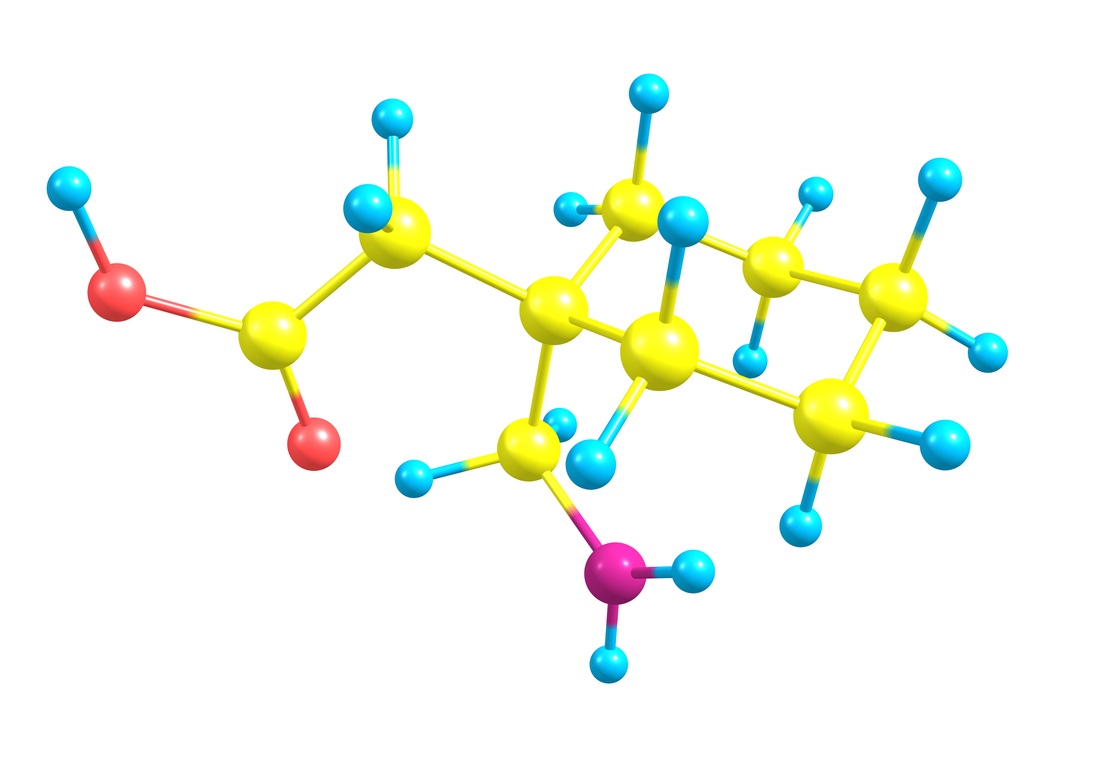
Gabapentin, originally developed as an anticonvulsant, has also been utilized in perioperative pain management. Its effects on nerve-related pain have led to its use as an adjunct in multimodal analgesia, with the goal of improving postoperative pain control and reducing opioid requirements. Gabapentin acts by binding to the α2δ subunit of voltage-gated calcium channels, reducing the release of neurotransmitters involved in pain signaling. Although its use in perioperative care has become more common, it is essential to review the evidence regarding its clinical benefits and potential risks in this setting (1).
One proposed benefit of perioperative gabapentin administration is its ability to limit central sensitization, a process in which the nervous system becomes more sensitive to painful stimuli following injury. By reducing this response, gabapentin may improve pain control and decrease the need for opioid medications. However, current evidence suggests that its effects on postoperative pain are generally modest and may not translate into meaningful improvements in patient recovery. Similarly, reductions in opioid consumption are often relatively small, raising questions about the benefits of routine gabapentin administration in surgical patients (1).
The effectiveness of gabapentin may vary depending on the type of surgery and individual patient characteristics. Certain procedures, particularly spine surgeries, can involve significant nerve irritation and postoperative pain, making gabapentin a potentially useful addition to multimodal analgesia (2). Dose, surgical technique, and the use of other pain medications are also factors to consider. The current, relatively limited data make it difficult to establish a standardized approach to perioperative gabapentin use. Therefore, treatment decisions should consider the surgical procedure, anticipated pain severity, and individual patient needs.
Despite its potential benefits, gabapentin is associated with adverse effects that may complicate postoperative recovery. Common side effects include dizziness, sedation, impaired coordination, and visual disturbances, which may interfere with early mobilization and increase the risk of falls, particularly in older adults. Of particular concern is the association between gabapentin use alongside opioids and an increased risk of postoperative respiratory depression (3). Patients with obstructive sleep apnea, underlying respiratory disease, or concurrent sedative use may be especially vulnerable to these effects. Additionally, because gabapentin is primarily eliminated through the kidneys, impaired renal function can increase drug exposure and the risk of adverse effects. These considerations highlight the importance of careful patient selection and appropriate dosing.
Gabapentin has also been studied for its potential to prevent chronic postsurgical pain, which can develop from nerve injury and inflammation, leading to persistent changes in pain signaling following surgery. Although gabapentin acts on pathways involved in nerve-related pain, clinical evidence has not consistently demonstrated that perioperative administration improves long-term pain conditions (4). These findings do not support routinely administering gabapentin solely to prevent persistent postsurgical pain.
Gabapentin may provide additional postoperative pain relief for some surgical patients, but its benefits must be weighed against the potential for adverse effects. Current evidence supports a selective approach to perioperative gabapentin use, with treatment decisions guided by the type of surgery, patient characteristics, and individual risk factors. When appropriate, gabapentin may serve as an adjunct to multimodal analgesia. Further research is needed to better identify patients who are most likely to benefit from its use and to clarify its role in safe and effective perioperative care.
References
- Verret M, Lauzier F, Zarychanski R, et al. Perioperative Use of Gabapentinoids for the Management of Postoperative Acute Pain: A Systematic Review and Meta-analysis. Anesthesiology. 2020;133(2):265-279. doi:10.1097/ALN.0000000000003428
- Tsai SHL, Hu CW, El Sammak S, et al. Different Gabapentin and Pregabalin Dosages for Perioperative Pain Control in Patients Undergoing Spine Surgery: A Systematic Review and Network Meta-Analysis. JAMA Netw Open. 2023;6(8):e2328121. Published 2023 Aug 1. doi:10.1001/jamanetworkopen.2023.28121
- Cavalcante AN, Sprung J, Schroeder DR, Weingarten TN. Multimodal Analgesic Therapy With Gabapentin and Its Association With Postoperative Respiratory Depression. Anesth Analg. 2017;125(1):141-146. doi:10.1213/ANE.0000000000001719
- Hah J, Mackey SC, Schmidt P, et al. Effect of Perioperative Gabapentin on Postoperative Pain Resolution and Opioid Cessation in a Mixed Surgical Cohort: A Randomized Clinical Trial. JAMA Surg. 2018;153(4):303-311. doi:10.1001/jamasurg.2017.4915