For Informational Purposes Only
The articles below are provided for general educational purposes only and are not a substitute for professional medical advice. Please read our full medical disclaimer before relying on any information found here.

In January 2026, Utah rolled out a new artificial intelligence (AI) prescription renewal service in partnership with Doctronic, an AI healthcare company. This partnership…
Read More →
In the field of medicine, the volume of trials, systematic reviews, and society guidelines far exceeds what any clinician can hold in working memory, and much…
Read More →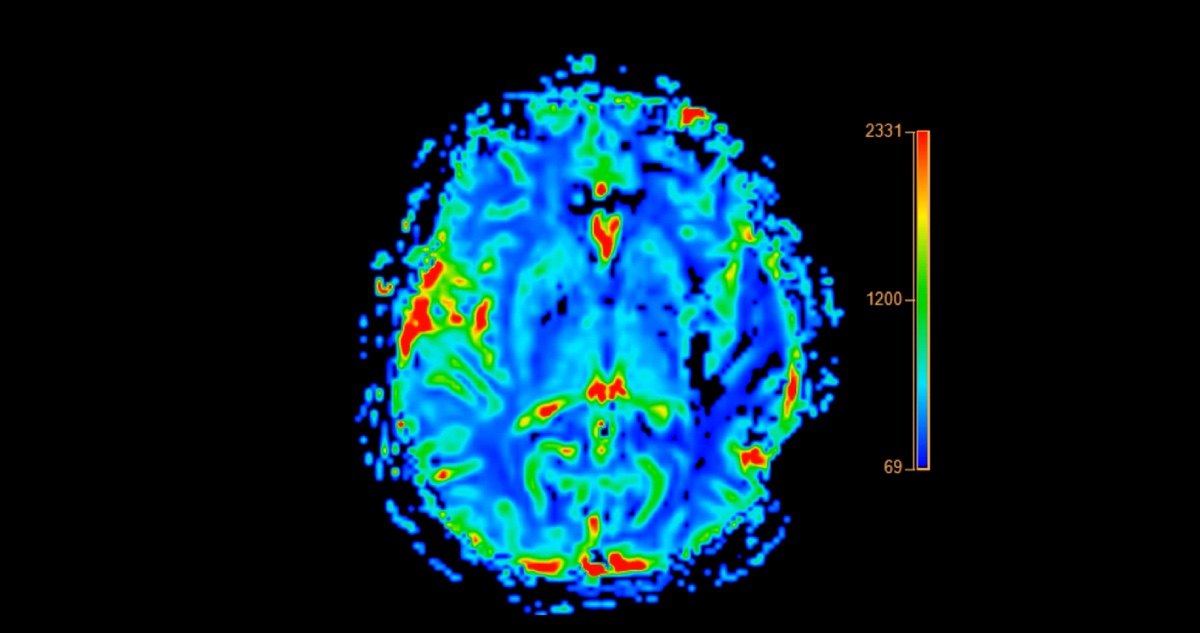
Postoperative cognitive dysfunction (POCD) is part of a broader group of perioperative neurocognitive disorders that are well-recognized complications after major…
Read More →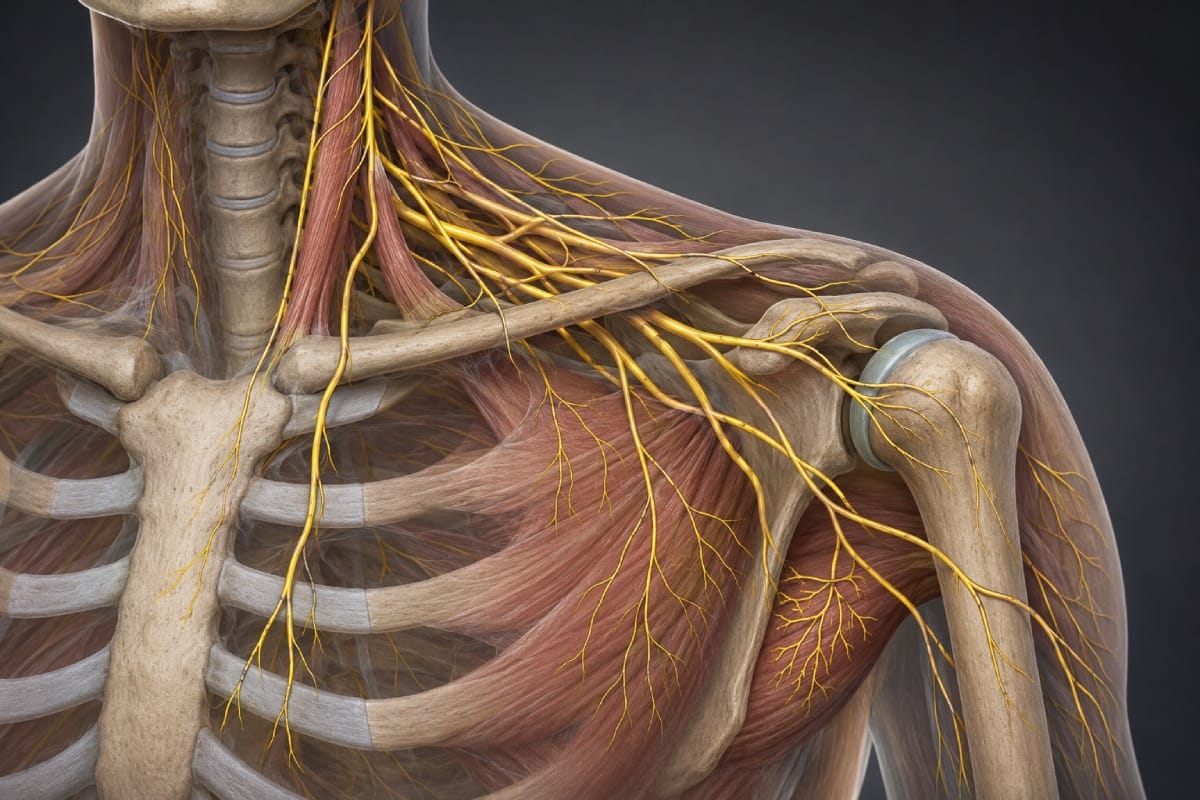
Shoulder surgery is frequently associated with substantial postoperative pain, making regional anesthesia an important component of perioperative analgesia. For decades,…
Read More →
Superior trunk block (STB) is an increasingly utilized regional anesthesia technique for shoulder and upper extremity surgery that provides effective…
Read More →
In anesthetic practice, preoperative airway assessment seeks to identify patients at risk for difficult ventilation or intubation. The expansion of…
Read More →
Identifying perioperative ischemic stroke can be challenging because neurological signs and symptoms may be masked by anesthesia, sedation, or postoperative…
Read More →
The physician recertification system was created to ensure that doctors maintain current knowledge and skills throughout their careers. While the…
Read More →
Although patients may be discharged home on the same day as procedures involving sedation or general anesthesia, they may not…
Read More →