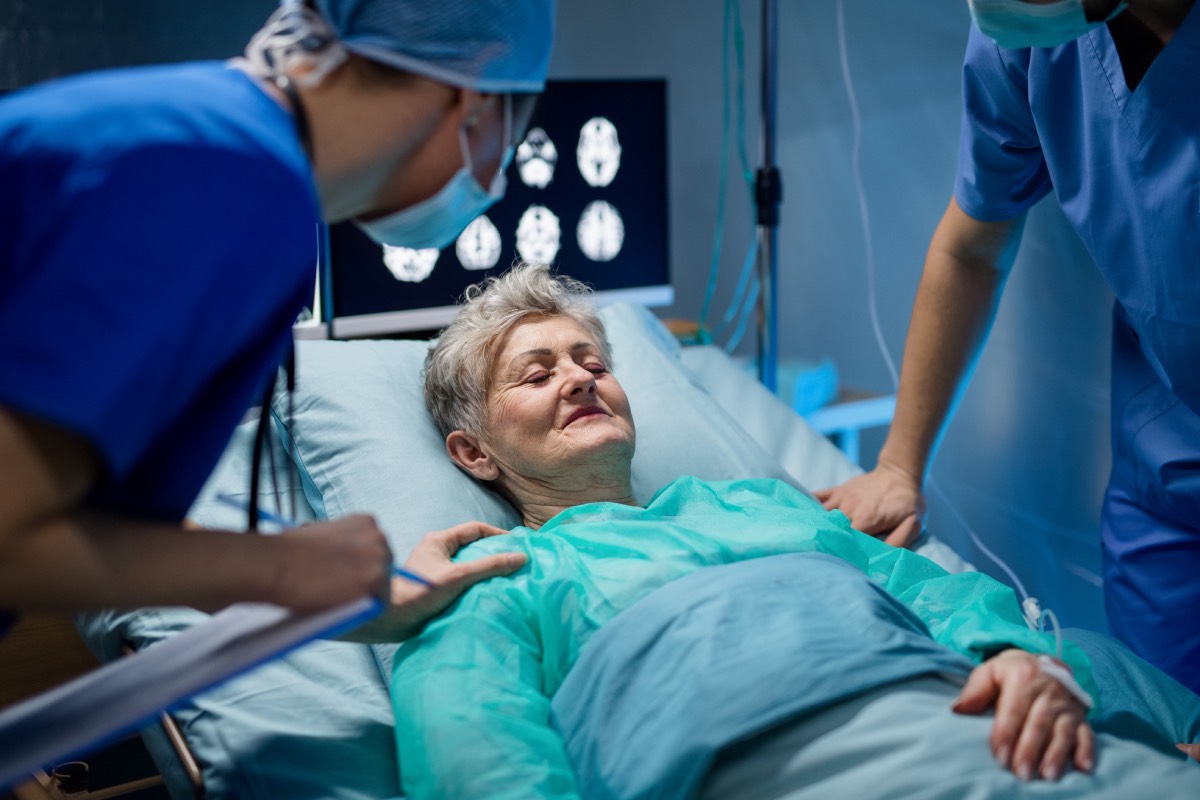
Identifying perioperative ischemic stroke can be challenging because neurological signs and symptoms may be masked by anesthesia, sedation, or postoperative physiological changes. Perioperative stroke is defined as a cerebrovascular event that occurs intraoperatively or within 30 days after surgery and results in motor, sensory, or cognitive deficits lasting at least 24 hours.
Most perioperative strokes are ischemic rather than hemorrhagic and represent a serious complication associated with increased morbidity, prolonged hospitalization, and significantly higher mortality rates. Early recognition is critical, as timely interventions, such as thrombolysis or mechanical thrombectomy, may improve neurological outcomes. However, identifying ischemic stroke during the perioperative period requires clinicians to recognize subtle clinical signs and maintain a high level of suspicion (1).
The incidence of perioperative stroke varies depending on patient characteristics and the type of surgery. In noncardiac, non-neurological surgery, reported rates range from approximately 0.1% to 1.0%. However, the risk is significantly higher for cardiovascular or neurosurgical procedures (2). Advanced age, prior stroke or transient ischemic attack (TIA), atrial fibrillation, hypertension, diabetes mellitus, renal disease, and smoking have all been identified as major risk factors. Surgical factors—including emergency operations, prolonged procedures, and surgeries involving manipulation of major blood vessels or the heart—may also contribute to its occurrence.
One of the earliest warning signs of perioperative ischemic stroke may be delayed emergence from anesthesia. Difficulty awakening or failure to regain baseline consciousness after anesthesia should raise concern for possible neurological injury. Residual anesthetic agents and sedatives can obscure neurological deficits, making it difficult to determine the timing of stroke onset (2).
Because reperfusion therapies such as intravenous thrombolysis and mechanical thrombectomy are time-dependent, delayed diagnosis may limit therapeutic options and worsen neurological outcomes. Therefore, continuous neurological assessment during the immediate postoperative period is essential, particularly for patients with elevated cerebrovascular risk.
Focal neurological deficits represent the most characteristic signs of perioperative ischemic stroke. These deficits may include unilateral weakness or paralysis, facial droop, sensory loss, aphasia, dysarthria, or visual disturbances (1). Sudden confusion, altered mental status, or decreased level of consciousness may also occur and may initially resemble postoperative delirium. Careful neurological examination is necessary to differentiate stroke from other postoperative conditions such as metabolic disturbances or medication effects (2).
The underlying pathophysiology of perioperative ischemic stroke is multifactorial but frequently involves embolic mechanisms. Emboli may originate from cardiac sources such as atrial fibrillation or valvular disease or from atherosclerotic plaques in the aortic arch and large arteries manipulated during surgery.
Additional mechanisms include thrombosis triggered by systemic inflammation, temporary cessation of antithrombotic medications, anemia-associated tissue hypoxia, and intraoperative hypotension leading to reduced cerebral perfusion (1) Although hypotension has historically been considered an important contributor, current evidence suggests that embolism accounts for the majority of perioperative ischemic strokes
Many perioperative strokes occur within the first 72 hours after surgery, which emphasizes the importance of vigilant postoperative monitoring and early neurological assessment. Rapid recognition of neurological deficits, prompt neuroimaging, and early consultation with stroke specialists are critical steps in managing the event.
Early identification of clinical signs can facilitate timely diagnosis and improve the likelihood of effective treatment. Recognizing these warning signs remains a crucial responsibility for perioperative clinicians, as prompt detection and intervention may significantly reduce long-term neurological disability and mortality associated with perioperative ischemic stroke (3).
References
1. Benesch C, Glance LG, Derdeyn CP, et al. Perioperative Neurological Evaluation and Management to Lower the Risk of Acute Stroke in Patients Undergoing Noncardiac, Nonneurological Surgery: A Scientific Statement From the American Heart Association/American Stroke Association. Circulation. 2021;143(19):e923-e946. doi:10.1161/CIR.0000000000000968
2. Ko SB. Perioperative stroke: pathophysiology and management. Korean J Anesthesiol. 2018;71(1):3-11. doi:10.4097/kjae.2018.71.1.3
3. Mashour GA, Shanks AM, Kheterpal S. Perioperative stroke and associated mortality after noncardiac, nonneurologic surgery. Anesthesiology. 2011;114(6):1289-1296. doi:10.1097/ALN.0b013e318216e7f4