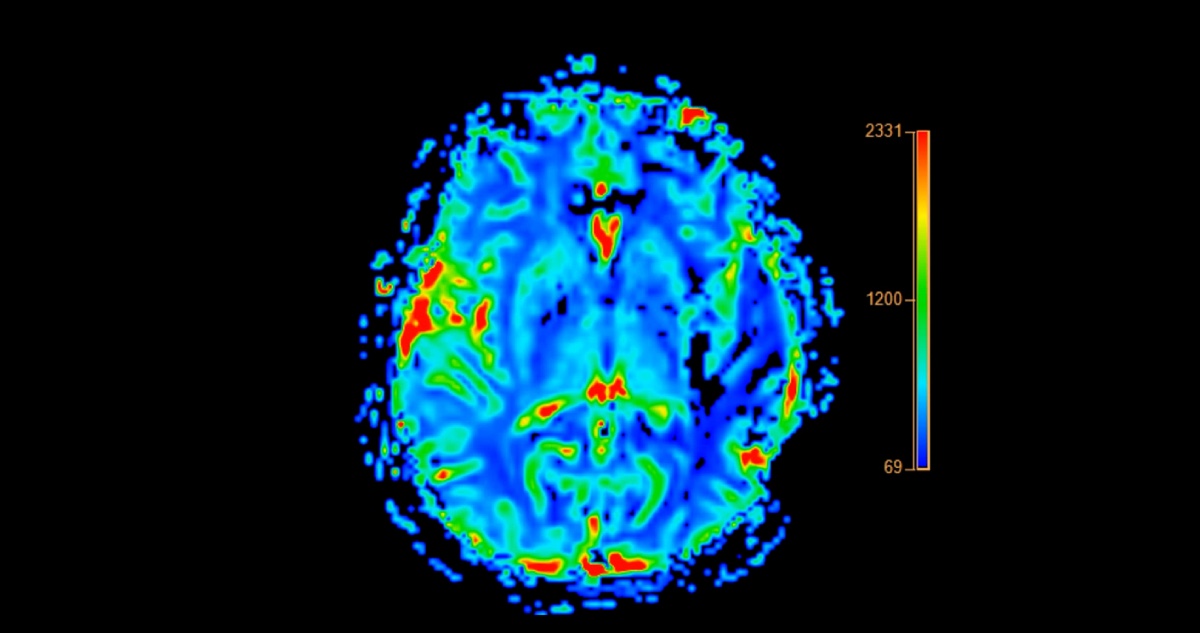
Postoperative cognitive dysfunction (POCD) is part of a broader group of perioperative neurocognitive disorders that are well-recognized complications after major surgery. POCD occurs most often in older adults and in patients with underlying vascular or neurologic disease. The condition presents as problems with memory, attention, executive function, and mental processing that may continue for weeks or months after an operation and can significantly impact daily living. Although the cause of postoperative cognitive dysfunction is complex, reduced intraoperative cerebral perfusion is thought to be an important factor because inadequate blood flow to the brain may contribute to neuronal injury and delayed cognitive recovery (1).
The brain depends on a constant supply of oxygen and nutrients delivered through cerebral blood flow. During surgery, this balance may be disrupted by anesthetic effects, blood loss, or physiological responses to surgical stress. Healthy individuals are better able to maintain stable cerebral perfusion through autoregulation, but this response often becomes less effective with aging or chronic vascular disease (2). As a result, some patients are more vulnerable to periods of cerebral hypoperfusion during anesthesia. Even brief reductions in blood flow may decrease oxygen delivery to brain tissue.
Research has shown that cerebral oxygen saturation may provide useful information about cerebral perfusion during surgery. Near-infrared spectroscopy offers continuous and noninvasive monitoring of regional cerebral oxygen saturation. Persistent decreases in these values have been associated with a greater risk of POCD in several clinical studies (3). Although cerebral oxygen saturation is not a direct measurement of blood flow, it reflects the balance between oxygen supply and demand within the brain. Early recognition gives clinicians an opportunity to improve cerebral oxygen delivery by correcting the underlying hemodynamic disturbance.
Intraoperative hypotension is one of the most common causes of reduced cerebral perfusion. A blood pressure that appears acceptable for one patient may be inadequate for another because cerebral autoregulation differs among individuals. Patients with hypertension, diabetes, or cerebrovascular disease often require higher perfusion pressures to maintain sufficient cerebral blood flow (2). This understanding has increased interest in individualized blood pressure management rather than relying on universal treatment thresholds. Maintaining perfusion close to a patient’s normal physiologic range may reduce cerebral ischemia and improve postoperative neurological recovery.
Reduced cerebral perfusion may also intensify the inflammatory response that follows surgery. Tissue hypoxia promotes oxidative stress and increases the release of inflammatory mediators within the central nervous system. These changes may disrupt the blood-brain barrier and activate microglia, which can prolong neuronal dysfunction even after cerebral blood flow has been restored (4).
Clinical studies evaluating cerebral oxygen monitoring have produced encouraging but inconsistent findings. Some investigations have reported lower rates of cognitive decline when episodes of cerebral desaturation were identified and corrected promptly. Other studies have found only limited improvement despite active intervention (5). Differences in study design and patient populations complicate the interpretation of these varying results. Even so, the overall evidence supports careful attention to cerebral perfusion throughout surgery, particularly in patients at increased risk for neurological complications.
Current evidence suggests that reduced intraoperative cerebral perfusion is an important and potentially modifiable contributor to postoperative cognitive dysfunction. Protecting cerebral blood flow through thoughtful hemodynamic management and appropriate monitoring may lessen neuronal injury and improve cognitive recovery after surgery. Although further research is needed to establish standardized treatment strategies, preserving adequate cerebral perfusion remains a promising approach for reducing postoperative neurocognitive complications.
References
Needham MJ, Webb CE, Bryden DC. Postoperative cognitive dysfunction and dementia: what we need to know and do. Br J Anaesth. 2017;119(suppl_1):i115-i125. doi:10.1093/bja/aex354
Belrose JC, Noppens RR. Anesthesiology and cognitive impairment: a narrative review of current clinical literature. BMC Anesthesiol. 2019;19(1):241. Published 2019 Dec 27. doi:10.1186/s12871-019-0903-7
Li Y, Huang D, Su D, Chen J, Yang L. Postoperative cognitive dysfunction after robot-assisted radical cystectomy (RARC) with cerebral oxygen monitoring an observational prospective cohort pilot study. BMC Anesthesiol. 2019;19(1):202. Published 2019 Nov 6. doi:10.1186/s12871-019-0877-5
Evered LA, Silbert BS. Postoperative Cognitive Dysfunction and Noncardiac Surgery. Anesth Analg. 2018;127(2):496-505. doi:10.1213/ANE.0000000000003514
Qiu L, Ma Y, Ge L, Zhou H, Jia W. Efficacy of Cerebral Oxygen Saturation Monitoring for Perioperative Neurocognitive Disorder in Adult Noncardiac Surgical Patients: A Systematic Review and Meta-Analysis of Randomized Controlled Trials. World Neurosurg. 2025;194:123570. doi:10.1016/j.wneu.2024.123570